Reviewed · GUIDED
Plain of jars tour with local guide
A day built around Plain of Jars sites and hands-on village life is the fun part here. You do more than stare at stone, you connect the jar fields with what people nearby make and sell, then you end with the biggest jar site.
I especially like the way the day is paced. Guides such as Mr Lar and Su focus on clear explanations, and you get enough time to look around on your own at the jar fields instead of feeling rushed.
One consideration: this is a long 8-hour itinerary with walking, including a short trek across a rice field to reach one of the sites. If you’re heat-sensitive or your shoes are not great in uneven ground, plan accordingly.
Key highlights worth circling on your calendar
- Three Plain of Jars locations in one day, including Site 1 with 334 jars
- Ban Naphia spoon-making village where spoons are made from aluminum bomb casings
- A walk through rice fields on the way to one of the jar sites
- English-speaking driver-guides like Mr Lar and Su who explain the jar stories and cultural meaning
- Muang Khoun war-era landmarks at That Foun and Wat Phia Wat
- Lunch included, plus time to explore at the sites
Why the Plain of Jars route feels different from a quick photo stop
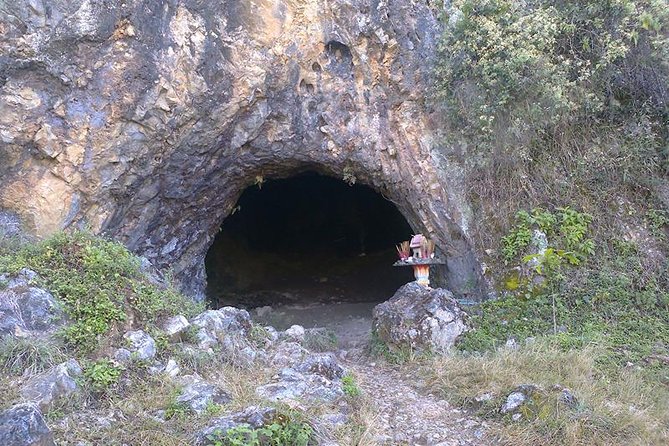
Plain of Jars in Phonsavan is already unusual, with stone jars scattered through the area like something too big for a single explanation. What makes this tour work is that you don’t treat it like a one-note monument day. You start with local craft, then you move into the jar sites, then you finish at a former capital area shaped by conflict.
I like that the tour includes both the jar world and the everyday world. The Ban Naphia stop gives you a real sense of how people make income from what they can repurpose and produce for visitors and the local market.
The other smart touch is the structure. You get hotel pickup, a full day plan with set departure times, and transport between sites so you do not burn energy negotiating routes or getting lost. You’ll still do some walking, but the hard part is handled for you.
More of Phonsavan to think over
- Vientiane Cultural Tour with Private Guide
★ 5.0 · 80 reviews
Ban Naphia spoon village: aluminum bomb casings become practical tools
Your day kicks off at 8:30 a.m. when the guide and driver meet you at your accommodation. From there it is about a 30-minute ride to Ban Naphia in the Phaxay district.
Ban Naphia is a small town where the majority of families make their living by selling spoons made from aluminum bomb casings. That detail matters. It gives you a grounded perspective on how the region’s past intersects with daily life in the present, and it makes the jar sites feel less like a distant mystery and more like part of a lived landscape.
Here is how to make the most of the visit. Bring a little patience for shop and demonstration moments, even if your goal is photos. If you ask about the spoons and how they’re used or sold, you’ll likely get more than just a product pitch. A good guide will connect what you see to the bigger story of the area, and names like Mr Lar and Su come up for a reason.
Also, this is where you can get in the feel of local routines. One of the standout add-ons on this route is that you may also pass through a noodle village stop alongside the spoon village, depending on the day’s flow. It is a small reminder that this tour is not only about stone.
Site 3 around 10:00: crossing rice fields to reach the jars
Around 10:00 a.m. you head to Plain of Jars Site 3 in Ban Xieng di. The travel between stops is handled, then you get to do a short walk, about ten minutes, across a rice field to reach the jar area.
This walk is short, but it’s not totally nothing. In some seasons the ground can be uneven and damp, and rice field paths can change with the cycle of growth. The guide can also tell you what rice season looks like in the region, which turns the walk into a quick lesson rather than just a transfer.
At Site 3, your time on the ground is about 45 minutes, and the admission is included. This is one of the better parts of the schedule because it gives you time to actually look at scale and layout. Jars are easier to appreciate when you can move around and view them from different angles instead of standing at a single spot.
Practical tip: plan for sun. Even with a guide and a set schedule, this is mostly outdoors. If you’re sensitive to heat, bring water and protect your head. Soft drinks are not included, so if you want one, you will need to buy it separately.
After lunch at Lak Khai: Site 2 and the jar-and-tree effect
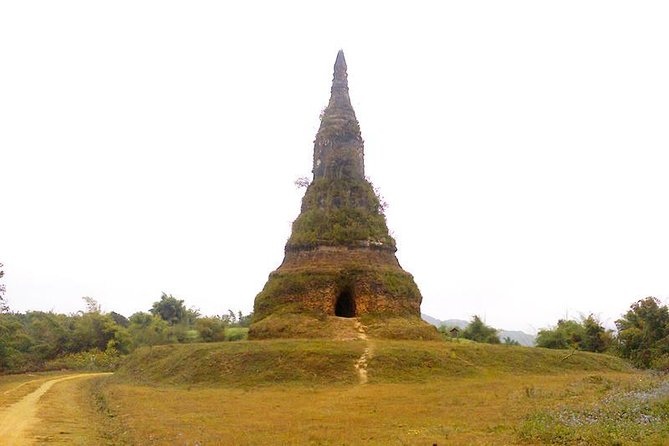
The day keeps rolling, and around 12:00 p.m. you stop for lunch at Lak Khai. After that, you head to Plain of Jars Site 2, located near Ban Nakho.
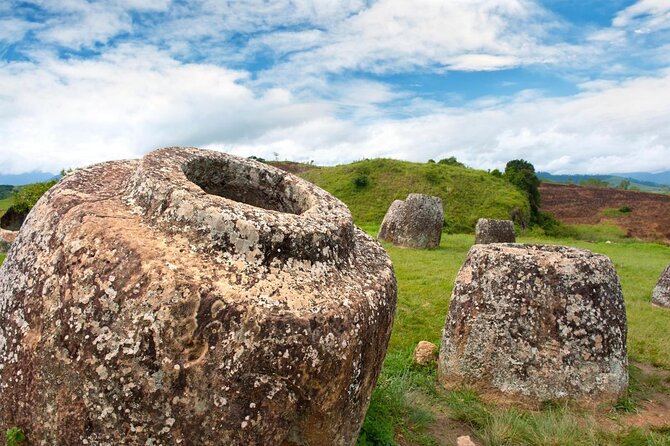
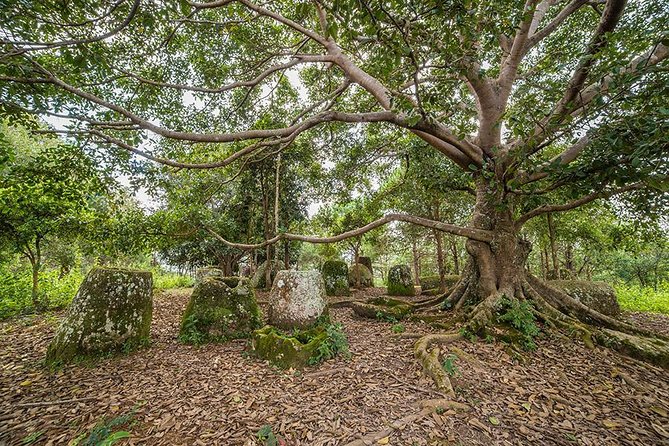
Site 2 is the jar field that often gets a special reaction because there are big trees growing inside the jar structures. It’s a striking visual, and it also helps you understand how nature and time have changed the look of the area.
You get about 35 minutes at Site 2, and admission is included. One reason Site 2 can feel more dramatic than Site 3 is simply size and presence. The sites have different proportions, and Site 2 is described as having jars that are tall and longer than the earlier area.
This stop is also a good time to slow down and notice the details your guide points out. If you’re curious about how people interpret the jars, this is exactly the moment to ask. The guides on this route are known for explaining cultural significance and origin stories in a way that’s understandable, not lecture-y.
If you want the best photos, try changing positions, not just angles. Stand a bit back for scale, then come closer for texture and how the tree interacts with the jar openings.
Muang Khoun at 2:00 p.m.: That Foun and Wat Phia Wat in the former capital
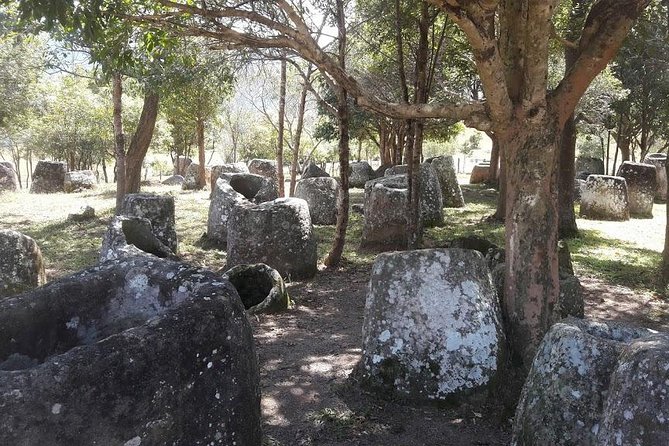
At 2:00 p.m., the tour shifts from jar fields into Muang Khoun, the former capital of Xieng Khouang. This area was heavily bombed during the Vietnam War period from 1964 to 1973, and it’s one of those stops where the place can feel heavy even if you’re not looking for that.
You continue to see That Foun and Wat Phia Wat. The practical value of this stop is balance. It reminds you that the jar area is not isolated from the modern world. You’re looking at a region shaped by war, recovery, and ongoing daily life.
I find this part of the day works best when you let it be a pause. After multiple outdoor jar sites, you might be tempted to rush through the ruins and temples. Don’t. Take a few minutes to look at the buildings and the overall setting, then let your guide explain what you’re seeing.
You might also find that the guided context helps keep your visit respectful. If the emotional weight of wartime history is not your thing, this is still an important piece of understanding the region, and your guide can help keep things clear and factual.
Site 1 at 3:30 p.m.: 334 jars and the real sense of scale
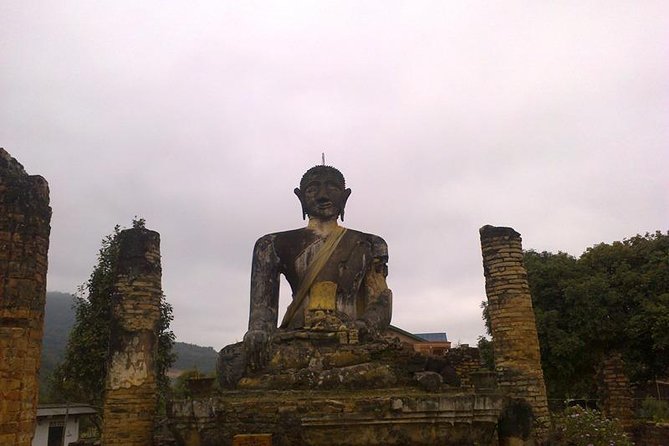
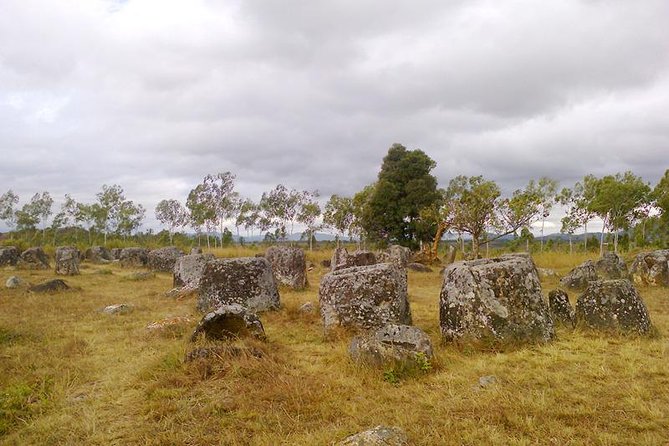
The final jar stop starts at 3:30 p.m. Plain of Jars Site 1 is the big finale. It’s described as containing 334 jars scattered across the area, with an estimated total weight above 6 tons.
That number alone is worth your attention, but scale is best understood on the ground. The jars are spread out, so you need to walk a bit and move around to get a true sense of size, spacing, and how they sit in their surroundings.
You get about 40 minutes at Site 1, and it’s also free admission. Transport to the final location includes hotel drop-off, so you should plan to keep your energy for the last stretch of the day.
This is where good shoes really pay off. Even on a shorter final walk, the ground can be irregular. If you’re wearing flat sandals or slippery soles, save yourself trouble and wear something with grip.
Also, if you care about photos, Site 1 is where you’ll want to take your time. The temptation is to grab a wide shot and move on. Instead, take one wide image to capture the spread, then do a few closer shots for jars and surfaces.
Price and logistics: what $146 really buys you

The price is $146 for an approximately 8-hour private tour. That sounds simple, but the value comes from what’s included and what’s handled.
You get private transportation, an English-speaking driver-guide, and all fees and taxes. Lunch is included too. Admission is included for the key jar sites (Site 3 and Site 2), while other stops like Ban Naphia and Muang Khoun sites are listed as free.
What’s not included is soft drink. That’s minor, but it’s one of those details that helps you budget without surprises. If you prefer a soda or bottled drink, bring cash for it.
One more logistics win: pickup and drop-off at your accommodation. That means you spend your energy on the day itself, not on navigation. There is also mention of a mobile ticket and group discounts, which can matter if you’re traveling with friends and want a smooth booking setup.
My take on the cost: this is a fair price for a full day with multiple stops where you do not have to organize transport. If you tried to do the same route solo, you’d likely spend more in time and coordination, and you’d miss the guided explanations that make the jars and the wartime context easier to understand.
Who this tour is best for, and who should rethink it
This is a strong match if you want the Plain of Jars experience without stress. If you like learning while you travel, an English-speaking guide like Mr Lar or Su can turn the day into a story you can follow instead of isolated sights.
It also suits couples, solo travelers, and small groups because it is private, meaning it’s only your group. That’s especially nice at the jar sites, where you may want your own pace for photos and quiet looking.
If you’re traveling with kids or someone who tires easily, keep the walking in mind. You will cross a rice field for Site 3, and you’ll move between several stops across the day. The good news is that the schedule is structured, so breaks are built in through stop durations and transport.
If you hate any walking outdoors, you might find this too active for your taste. But if you can handle short outdoor stretches, you’ll probably find it satisfying and well paced.
Should you book this Plain of Jars tour with a local guide?
Book it if you want a full, connected day: spoon-making village life, three jar sites, and Muang Khoun wartime landmarks, all with pickup, transport, and lunch included. This is the kind of itinerary that helps you understand what you’re seeing and still leaves time to look on your own.
Skip it if you want a totally low-energy day or if you’re not comfortable with outdoor walking in rural areas. Also, keep in mind that the tour is non-refundable and cannot be changed once booked, so only lock it in if your schedule is solid.
If you’re coming to Phonsavan and you want a single day that makes the jars meaningful, this is one of the practical ways to do it.
FAQ
What sites are included in the Plain of Jars tour?
The tour includes Plain of Jars sites 1, 2, and 3, plus Ban Naphia (spoon making village) and Muang Khoun, where you’ll see That Foun and Wat Phia Wat.
How long is the tour?
It runs for about 8 hours.
Do you get pickup and drop-off from your accommodation?
Yes. The tour picks up and drops off at your accommodation.
Is lunch included, and are site fees included too?
Lunch is included. All fees and taxes are included, and admission tickets for Plain of Jars sites 2 and 3 are included in the itinerary.
Is the tour private?
Yes. It is a private tour, so only your group participates.
What is not included in the tour price?
Soft drink is not included.
What happens if I cancel?
This experience is non-refundable and cannot be changed for any reason.
The newest Phonsavan reviews
- Plain of jars share group tour★ 5.0 · 4 reviews
Guided, compared.


One Day Guided Tour: Kayaking, Zipline & Tubing In The Cave from Vang Vieng
Read our review →

Guided Vientiane City and Buddha Park Full-Day Tour
Read our review →