Luang Prabang: 3-Day Cultural Remote Trek With Homestay

Reviewed · HIKING & TREKKING

Luang Prabang: 3-Day Cultural Remote Trek With Homestay

4.9 · 9 reviews 3 days From $360 Operated by Tiger Trail Travel Laos · Bookable on GetYourGuide
Book on GetYourGuide →

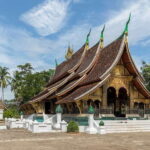
Luang Prabang is known for temples and easy river days, so this 3-day trek feels like a sharp turn into the real mountain side. You go by local boat, walk on jungle paths villagers actually use, and spend nights in remote Hmong and Khmu communities where daily life is the point.

I love two things most. First, the trek is built around village trails rather than tourist routes, so the pace and scenery change with the seasons and the fields. Second, meals are part of the cultural exchange, with dinner and breakfast prepared alongside your guide and a Hmong family.

One consideration: this is not a comfort trip. You’re in remote areas with basic homestays and no electricity for charging camera batteries, and the walking will be harder in rainy season.

Key things I’d circle before you go

Luang Prabang: 3-Day Cultural Remote Trek With Homestay - Key things I’d circle before you go

  • Jungle and rice paddy routes villagers use for real hill-country movement, not sightseeing shortcuts
  • Homestay dinners and breakfasts with Hmong hosts, not a restaurant stop
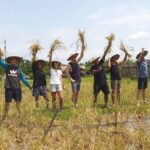
  • Visit schools, homes, and farms to see how villages work day to day
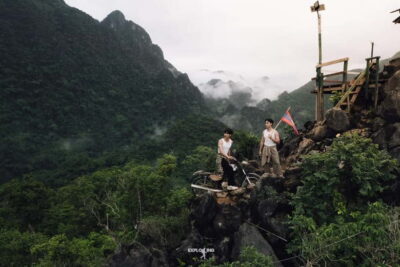
  • Longer mountain top day with panoramic views plus steep field-tending trails
  • Remote logistics mean power and charging are limited, so plan your gear

3 days of cultural trekking beyond the Luang Prabang postcard

Luang Prabang: 3-Day Cultural Remote Trek With Homestay - 3 days of cultural trekking beyond the Luang Prabang postcard
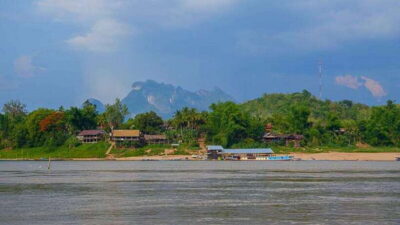
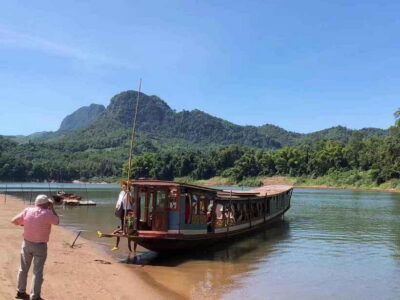
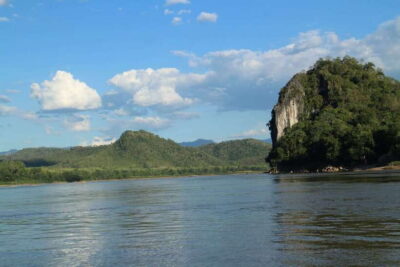
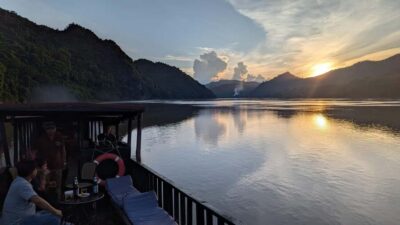
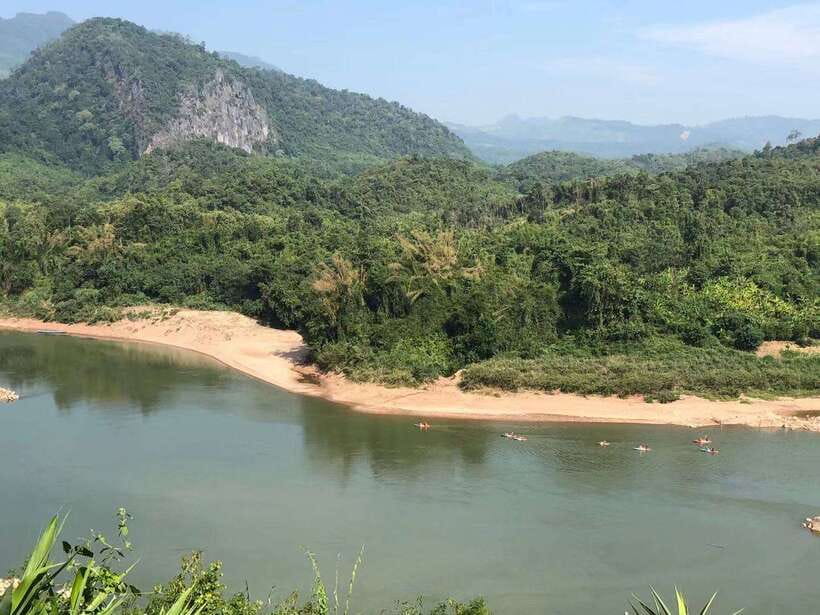
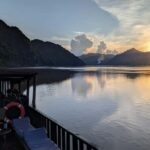
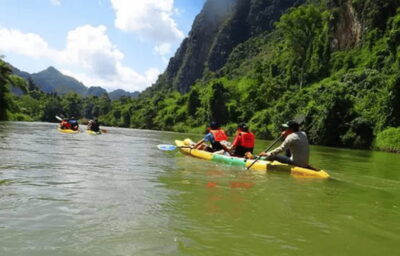
If you’ve come to Luang Prabang hoping to see Laos beyond the main streets, this kind of remote trek is one of the few ways to do it without feeling staged. You travel north along the Mekong River and continue along the Nam Xeuang River, then you cross by local boat and start walking on paths that make sense to local families, not to cruise schedules.

What I think makes it special is the structure. Day 1 introduces you to the river entry and the jungle approach. Day 2 slows things down into valley life and a much larger village setting. Day 3 is the payoff day, when the hikes open into long views over mountains and village farms. You get a full sense of how the landscape shapes daily routines.

And while “cultural” tours can sometimes feel like a checklist, this one is about people, schools, homes, and farming life. You’re not just watching. You’re walking between communities, eating what your hosts cook, and having your guide explain what you’re seeing.

The value in the price

At $360 per person for 3 days, you’re paying for more than a guide and a trail. The trip includes transportation, boat crossings, all meals as described, English-speaking guidance, village fees, permits, and taxes, plus homestay-type accommodation. In other words, you’re not adding a pile of separate costs on top later.

It’s also a “time-based” value. Two major parts of the experience are the guided walking days and the overnight village stay. You’re essentially buying access to remote areas, local hosting, and a guide who knows the culture well enough to make it make sense.

Day 1: Mekong and Nam Xeuang, then straight into jungle trails

Luang Prabang: 3-Day Cultural Remote Trek With Homestay - Day 1: Mekong and Nam Xeuang, then straight into jungle trails
Day 1 starts early, with a meet time at 8.20am at the Tiger Trail Travel office on the same street as Villa Maly hotel. Departure is scheduled for 8.45am. You’ll want to travel light, because you’ll be storing luggage and keeping your load manageable once the trek begins.

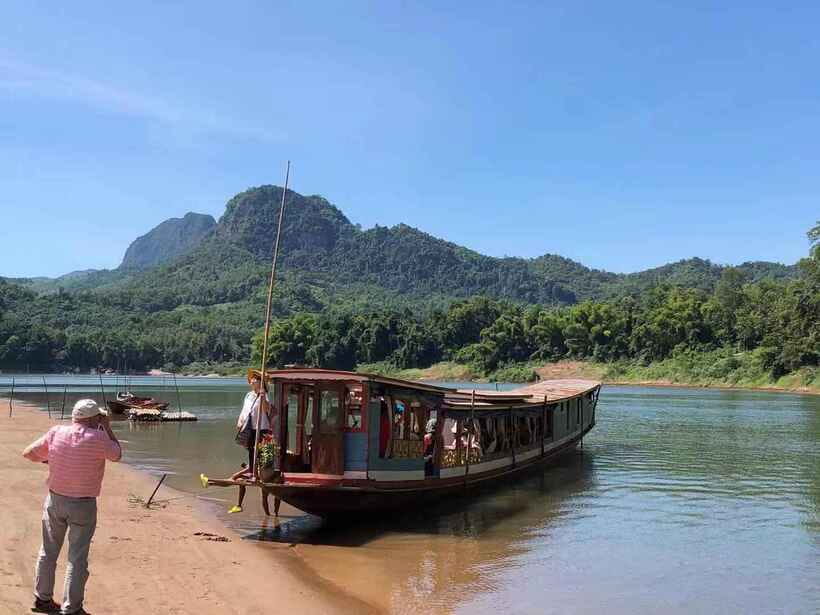
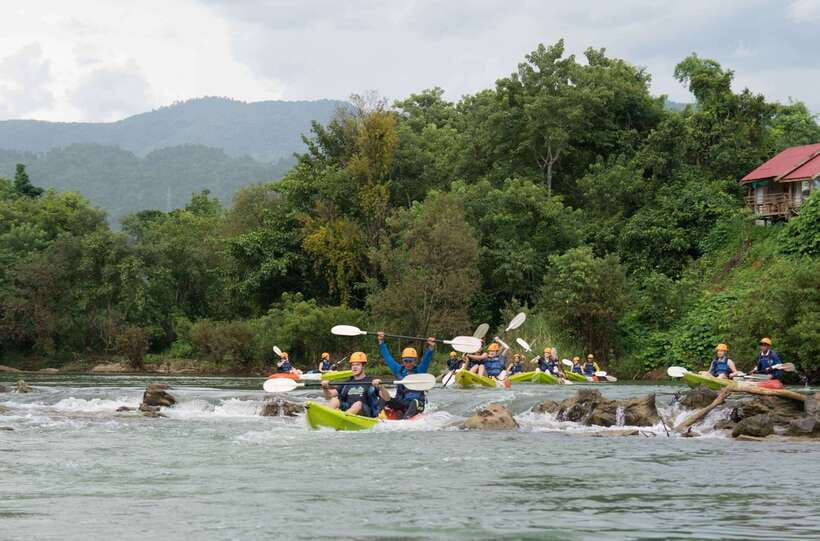
You head north along the Mekong River and then travel along the Nam Xeuang River for about 1.5 hours. Then comes one of those small details that changes everything: you cross by local boat to reach the trailhead. That boat segment is short, but it helps you feel the route the way locals do, moving through river terrain instead of just driving and parking.

What the first hike actually feels like

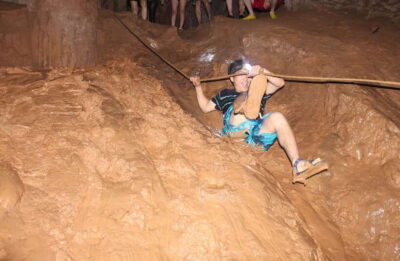
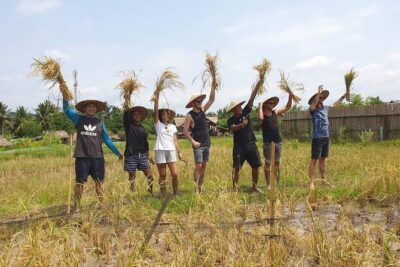
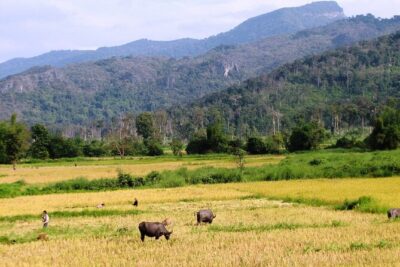
The trek itself is a medium-grade, 4 to 5 hour walk. You start trekking straight into the jungle on trails that villagers use to travel between remote villages. Expect a mix of rice paddies and jungle sections, so your footing and surroundings change as you go.

This isn’t just about getting from point A to point B. It’s the first day of learning the rhythm of mountain life. When you walk on paths used for daily movement, you naturally pay attention to slope, water crossings, and the way the trail threads through farms.

Homestay night in a welcoming Hmong village

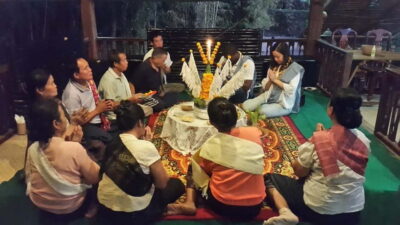
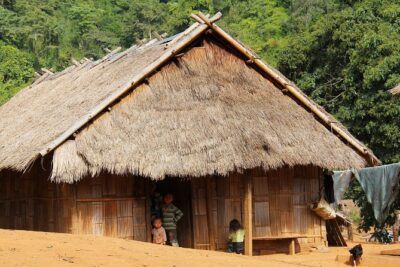
Overnight is in a Hmong village with basic, comfortable conditions. That phrase matters. You should go in expecting simple arrangements, because these areas are remote. The upside is you’re not separated from village life by a fence, a dining room, or a schedule.

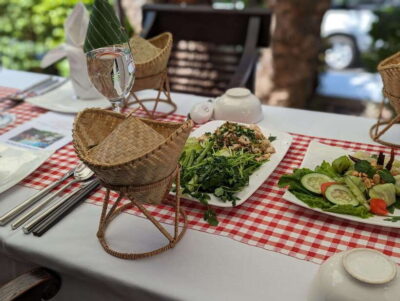
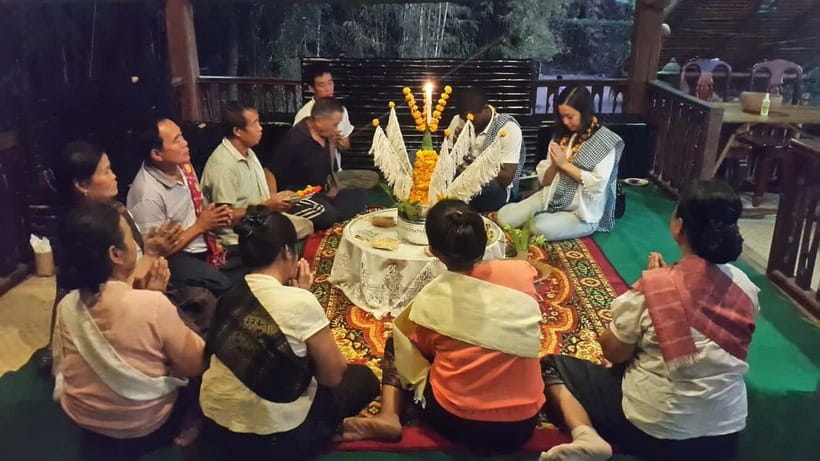
Dinner is prepared by your guide and a Hmong family. This is usually where the day clicks for many people, because you finally share a meal in the same setting where others are living, cooking, and resting. If you’re the kind of traveler who likes to ask practical questions, this is the time, since your guide can translate and connect what you ate to what you saw during the walk.

Day 1 best practice

Wear shoes you trust. You’ll likely get a mix of trail surfaces, and you don’t want to worry about blisters in the middle of the jungle. Insect repellent is also a must, because you’re in vegetation.

Day 2: Valley streams to a large mixed Hmong and Khmu village

Luang Prabang: 3-Day Cultural Remote Trek With Homestay - Day 2: Valley streams to a large mixed Hmong and Khmu village
Day 2 begins with the sounds of daily life and breakfast prepared by your guide. The food setup is part of the cultural contact. It’s not a hotel breakfast with options, it’s what the home offers, and your guide helps you understand what you’re eating and why.

Then you start on the shortest hike of the trip, about a 4-hour journey. This time the route follows valley streams, heading toward a remote and very large mixed Hmong and Khmu village set in a valley surrounded by mountains.

Why the “bigger village” matters

The size and mix of communities on Day 2 changes the vibe. Day 1 is more intimate, moving between remote villages. Day 2 slows you down and gives you time to understand how a larger community organizes schools, homes, and daily farming.

You arrive mid-afternoon, which gives you breathing room. That matters because it turns the day from only walking into actual exploring. Your guide helps you explore the village and experience local life, including time to look at schools and homes rather than just standing in one place taking photos.

Evening time: relax, then get ready for the peak hike

In the evening you relax and settle in for the next day. This downtime is useful. Day 3 is the long mountain top hike, and if you treat Day 2 as another nonstop outing, you’ll feel it in your legs.

If you’re lucky with timing, this is also where cultural moments can happen. On at least one recent trip during Khmu New Year timing, the experience included community food, local drinks like Lao lao and Beerlao, and music and dancing. That sort of invitation isn’t guaranteed, but it is the kind of thing your guide can help you connect to when dates line up with village celebrations.

Day 3: Mountain tops for panoramic views, then the river swim finish

Luang Prabang: 3-Day Cultural Remote Trek With Homestay - Day 3: Mountain tops for panoramic views, then the river swim finish
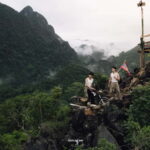
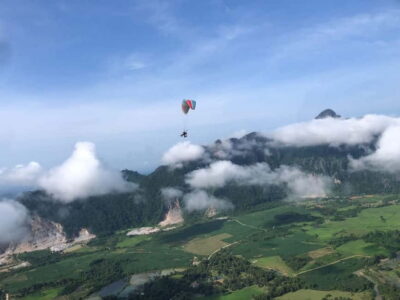
Day 3 is the day you’ll remember when you look back at your trip photos, even if the photos won’t capture everything. You set off on a hike for 6 to 7 hours to mountain tops with panoramic views over the villages and remote areas of Laos.

This hike is longer than the first two days, and it follows the trails that locals use to tend steep mountain-top rice fields and visit a Hmong mountain village along the way. That detail is important. You’re not just on a scenic ridge. You’re walking routes used for work, which means the trail follows practical paths, including steeper climbs.

The heat and the rain factor

The tour runs rain or shine. During rainy season, expect more time and more challenging conditions, because paths can be slick and water can change how the trail feels.

Also, heat can be a challenge even in dry periods. On one trek described by a guide, the walking included tougher stretches during 37°C weather. Translation: drink water, pace yourself, and don’t sprint your way up just because the view looks close.

Finish at the Nam Xeuang River

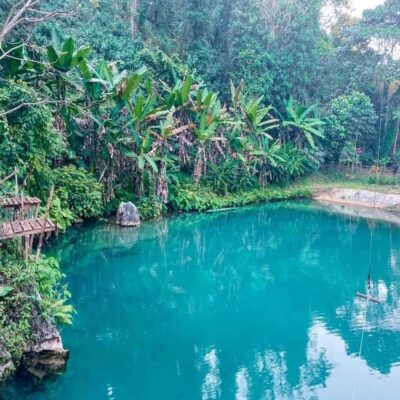
At the end of the trekking day, you go down to the Nam Xeuang River where the trek ends. Then you have the option to go for a swim in the river, a simple, refreshing reward after hours on steep trails.

After that, the return trip takes about 1.5 hours back to Luang Prabang. So your day is both hiking and reset. It’s a good structure because you’re not stuck in a long bus ride right after you’re exhausted.

Homestay reality: what “basic” means for comfort and photos

Luang Prabang: 3-Day Cultural Remote Trek With Homestay - Homestay reality: what “basic” means for comfort and photos
Let’s talk straight. This is a remote village homestay, so comfort is simple. You’re sleeping close to the community setting, and you should expect basic, practical arrangements rather than hotel-style rooms.

Two things come up repeatedly in this kind of trek:

  • Simple toilets and washing areas, which are totally functional but not Western.
  • No electricity for charging camera batteries during the tour.

That power detail matters more than people think. If you rely on your phone for photos and navigation, you’ll want to conserve battery. Bring a power strategy you can live with for 3 days.

What to pack so the trek feels doable

The tour provides an explicit packing list for a reason. Bring:

  • Comfortable shoes for trails
  • Change of clothes
  • Insect repellent
  • Water shoes (for river time and possibly wet trail sections)
  • Weather-appropriate clothing

You should also pack with the assumption you’ll get damp at some point, especially if rain happens. A small dry bag can be the difference between having clothes you can actually change into versus being stuck with damp fabric.

Your guide is part of the experience, not a side note

This kind of trek lives or dies by the guide. This tour uses an English speaking guide, and names you may see include Aroun and Chan.

What I like about having a guide like this is the explanation. On this route, you’re surrounded by plants, animals, hill-tribe cultures, and everyday systems of farming and movement. A good guide connects those details to real life, so your photos become memories with context instead of just images.

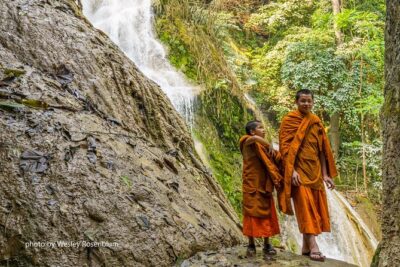
You’ll also notice the guide helps you interact respectfully, especially when visiting schools and homes. That’s the kind of thing you can’t fake. It’s not only language. It’s knowing what questions to ask, and when to just watch.

Price, effort, and who this trek suits best

This isn’t for everyone, and that’s okay. It’s not a “stand on a viewpoint, take a few photos” day tour.

It suits you if you want

  • Adventure with a cultural focus, where food and daily life matter
  • A trek that uses local trails and river crossings
  • A chance to see villages and rice farm life up close, including schools and homes
  • A smaller-group feel, which often means less crowd noise and more conversation

The experiences described with different guides also suggest the trip can feel very personal, even on short time scales. When you’re in small numbers, you’re easier to include in conversations and meal settings.

It’s a mismatch if you need

  • Full comfort, electricity, and easy bathroom access
  • A low-impact walking plan
  • Accessibility accommodations

The tour specifically says it is not suitable for pregnant women or people with mobility impairments. Since it involves multi-hour hikes with medium grade walking and remote terrain, that limitation makes sense.

How to judge difficulty before you book

Here’s your quick difficulty map based on the schedule:

  • Day 1: 4 to 5 hours on medium grade trekking with rice paddies and jungle
  • Day 2: about 4 hours along valley streams
  • Day 3: 6 to 7 hours to mountain tops and back down to the river

Add rain or shine, and the overall effort depends on conditions. If you’re fit and comfortable walking for hours, you’ll likely enjoy it. If you’re mostly looking for a gentle stroll, choose a different Luang Prabang day.

Should you book this Luang Prabang cultural remote trek?

Luang Prabang: 3-Day Cultural Remote Trek With Homestay - Should you book this Luang Prabang cultural remote trek?
Book it if you want something real: walking village trails, eating with local families, and seeing how hill communities manage schools, homes, and rice farms. This trip is one of the better ways to get out of the tourist center without turning the experience into a staged performance.

Don’t book it if you’re chasing comfort, easy logistics, or guaranteed electricity and charging. Also skip it if mobility limits or pregnancy make the multi-day hiking plan unsafe.

If you’re on the fence, ask yourself one question: do you enjoy the in-between parts, like muddy trails, simple meals, and long conversations after dinner? If the answer is yes, this is the kind of 3 days you’ll talk about long after you’ve returned to hotels and regular power outlets.

FAQ

Luang Prabang: 3-Day Cultural Remote Trek With Homestay - FAQ

How long is the trek each day?

Day 1 is about 4 to 5 hours of medium-grade trekking. Day 2 is about a 4-hour hike along valley streams. Day 3 is a longer hike of about 6 to 7 hours to mountain tops.

What does the $360 price include?

The price includes transportation, boat crossings, all meals as described in the itinerary, an English-speaking guide, taxes, village fees, permits, and homestay-type accommodation.

Is there electricity to charge my camera or phone?

The trip takes place in remote villages with no electricity for charging camera batteries for the duration of the tour.

What should I bring for the trek?

Bring comfortable shoes, a change of clothes, insect repellent, water shoes, and weather-appropriate clothing.

What if it rains?

The tour runs rain or shine, and it will be more challenging during the rainy season, so you should expect that treks may feel tougher then.

Who should not join this tour?

It is not suitable for pregnant women or people with mobility impairments.

Can I get a refund if plans change?

Yes. You can cancel up to 24 hours in advance for a full refund.

More like this

Hiking & Trekking, compared.

The full Hiking & Trekking list →
Luang Prabang to Nong Khiaw: River Cruise, Hike & Waterfall
★★★★★★★★★★4.4· 53 reviews· from $55

Luang Prabang to Nong Khiaw: River Cruise, Hike & Waterfall

Read our review →
Full Day Trek to Kuang Si Waterfalls, Remote Village
★★★★★★★★★★5.0· 38 reviews· from $48

Full Day Trek to Kuang Si Waterfalls, Remote Village

Read our review →
Full Day Trek to Kuang Si Waterfall & Village
★★★★★★★★★★4.6· 20 reviews· from $63

Full Day Trek to Kuang Si Waterfall & Village

Read our review →
Luang Prabang Thin Pha Trail & Tad Sae Falls Trek
★★★★★★★★★★4.6· 17 reviews· from $95

Luang Prabang Thin Pha Trail & Tad Sae Falls Trek

Read our review →
2-Day Trekking,Hmong village,Home Stay&Kayaking
★★★★★★★★★★4.9· 17 reviews· from $80

2-Day Trekking,Hmong village,Home Stay&Kayaking

Read our review →
Hiking Off the Beaten Track with Picnic Lunch
★★★★★★★★★★4.8· 9 reviews· from $85

Hiking Off the Beaten Track with Picnic Lunch

Read our review →
Nong Khiaw 3-Day Trekking & camping, Homstay
★★★★★★★★★★5.0· 9 reviews· from $180

Nong Khiaw 3-Day Trekking & camping, Homstay

Read our review →

Browse the lists this tour appears in

Scroll to Top

Explore Laos

Every kind of Lao day out, and the best of each.