
Reviewed · COOKING CLASSES
Luang Prabang: Bamboo Forest Cooking-class & Farm Visit
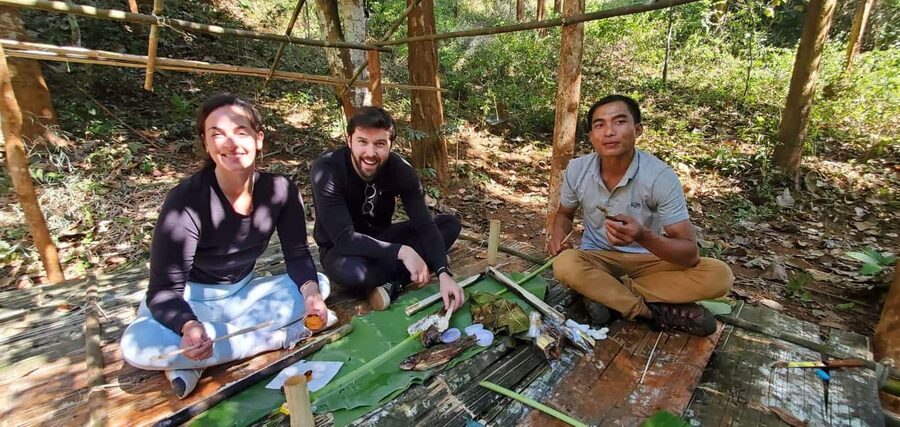
This experience is interesting because it is not just about food, it is about learning how Khmu families cook with what the forest gives them. You start with a real farm, then move into the forest to forage, build bamboo tools, and cook lunch the traditional way. I love the hands-on nature of the day, especially the bamboo making part. I also love that you learn which plants are edible and which have medicinal or everyday uses, not just what to eat.
Two things I like a lot: first, the guide’s role is central. In practice, you end up working with a local Khmu instructor, and that changes the whole tone from tourist demo to lived skills. Second, the meal is made where you learned the method, so it feels like one continuous lesson instead of separate activities.
One possible drawback to plan for: you will be walking and working in a forest setting. That means bugs, uneven ground, and a more physical feel than a standard cooking class in a kitchen.
Key takeaways before you go
- Khmu foraging plus cooking in the same day: You pick ingredients, learn plants, then use them right away.
- Make your own bamboo utensils: You will craft items for eating and drinking, not just watch.
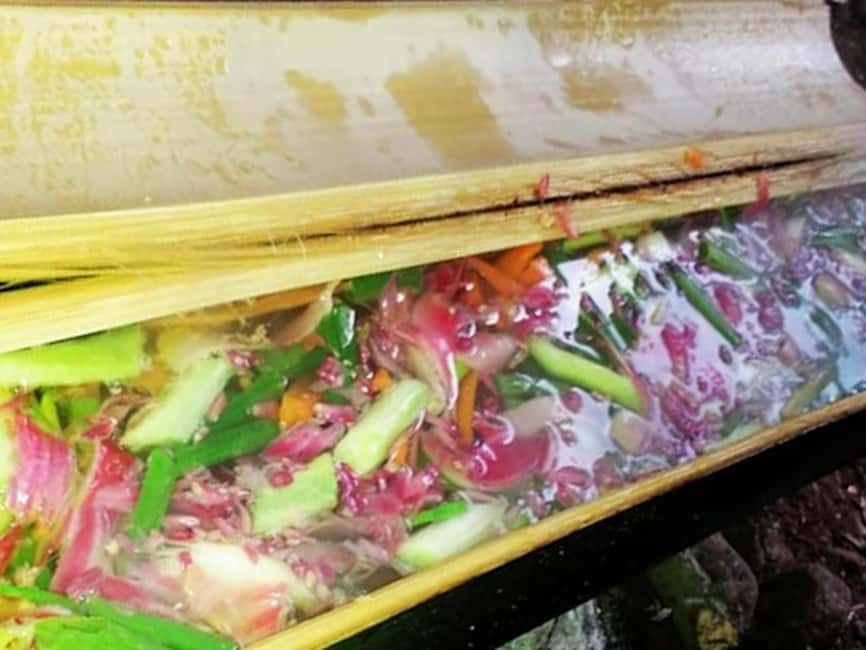
- Lunch cooked in the forest: Food comes from bamboo-cooked methods and traditional techniques.
- Small group (up to 10): More personal guidance and more time to ask questions.
- A local Khmu guide adds context: One instructor, Peng, was praised for making it feel authentic and engaging.
- Take-home bamboo cup and chopsticks: Your souvenirs have a story behind them.
Khmu bamboo cooking, from farm hands to forest smoke
In Luang Prabang, you can find cooking classes that stay tidy and indoor. This one keeps you outdoors and gets you closer to how Khmu people traditionally cook and live. Expect a full morning and early afternoon that turns into a shared meal in the trees, where the point is the process as much as the plate.
The day runs from 9 AM to 3 PM, which is long enough to learn real steps, not just a quick overview. And with a small group limited to 10 people, you are not fighting for attention.
You pay $100 per person for a guided day that includes transfers, ingredients, a multilingual guide, and what you make. Whether it feels like good value depends on what you want from Luang Prabang. If you love authentic, hands-on culture and you are okay with forest conditions, it is money well spent.
More Lao cooking classes:
- Luang Prabang: Evening Cooking Class & Local Baci Ceremony
★ 4.9 · 151 reviews - Luang Prabang: Bamboo Weaving Workshop & Cooking Class
★ 5.0 · 96 reviews - Luang Prabang: Cooking Class at the Former Royal Palace
★ 4.9 · 51 reviews
What you do at the vegetable farm (and why it matters)
The day starts with a visit to an authentic vegetable farm. This is where you begin building your meal from the ground up, picking vegetables and plants you will use later. It is a smart setup because it gives you context before you hit the more intense forest part.
Your Khmu guide explains how to identify plants that are edible and those used for medicinal or everyday purposes. That is key. A cooking class can teach recipes. This one teaches the selection process, and that is where traditional food knowledge lives.
You should also notice how this changes the way you eat later. When you know where something came from and why it is used, the lunch stops being just delicious. It becomes meaningful, like you earned it twice.
Learning the forest basics: bamboo, plants, and cooking technique
After the farm, you head into the primary forest. This is where the experience shifts into ancestral wild-cooking techniques. You use bamboo not just as a flavor tool, but as a material you work with.
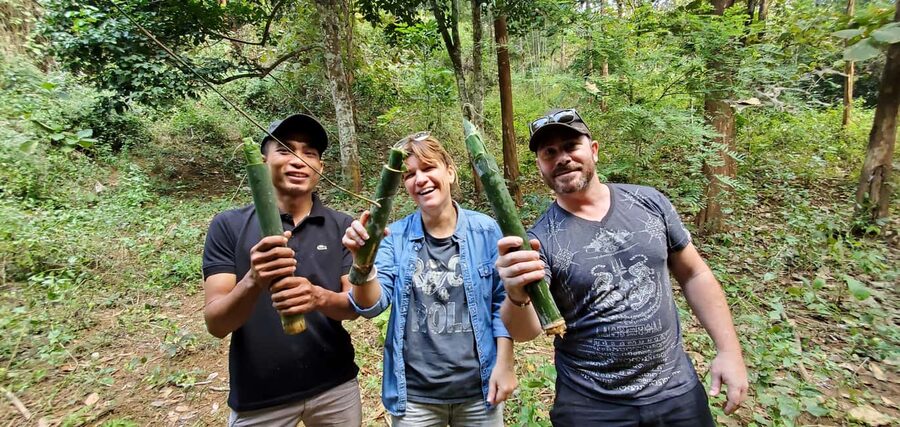
You will make your own utensils from natural materials, including items for drinking and eating. Many cooking classes let you taste. Here you craft. That changes the effort level in a good way, because your hands remember what your mouth enjoys.
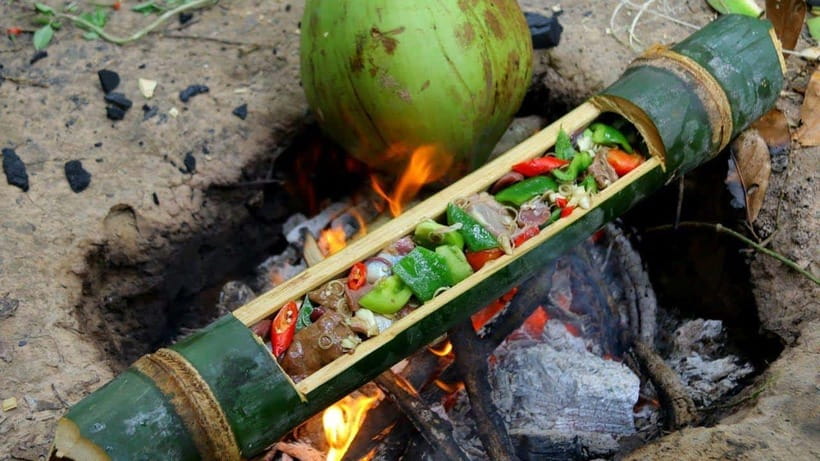
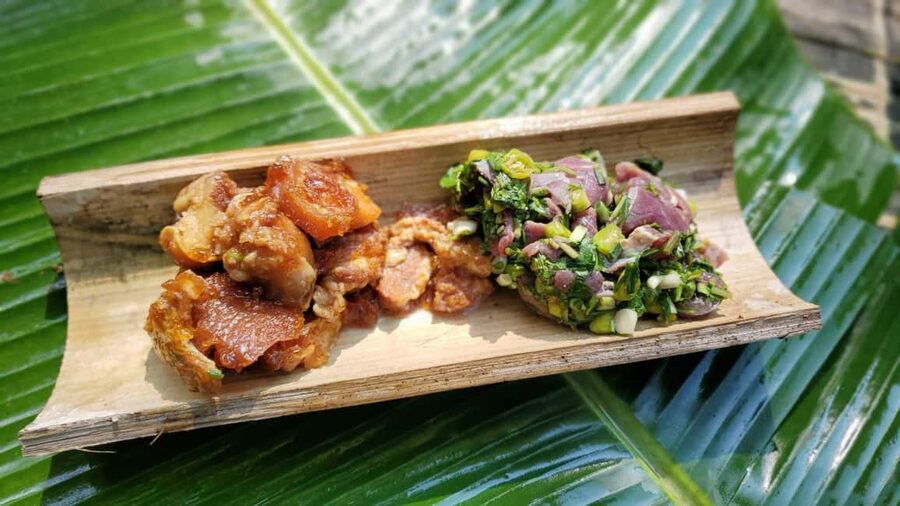
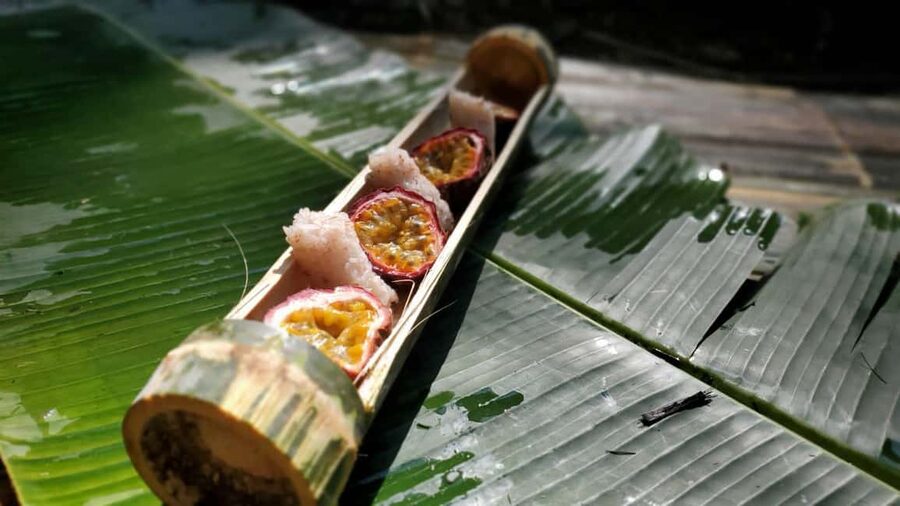
Bamboo prep is part of the lesson too. You will learn how to select and prepare bamboo for cooking, plus how bamboo-cooked fragrant rice is made. You will also learn how meat or fish can be grilled and cooked using these forest methods, and how to present your dishes in the style Khmu families still use.
You will likely get practical tips that are easy to miss in normal lessons. For example, how to recognize the right plants, how to work carefully with bamboo, and how to time cooking so food comes out right when lunch is served.
The bamboo utensil part: what you actually make and take home
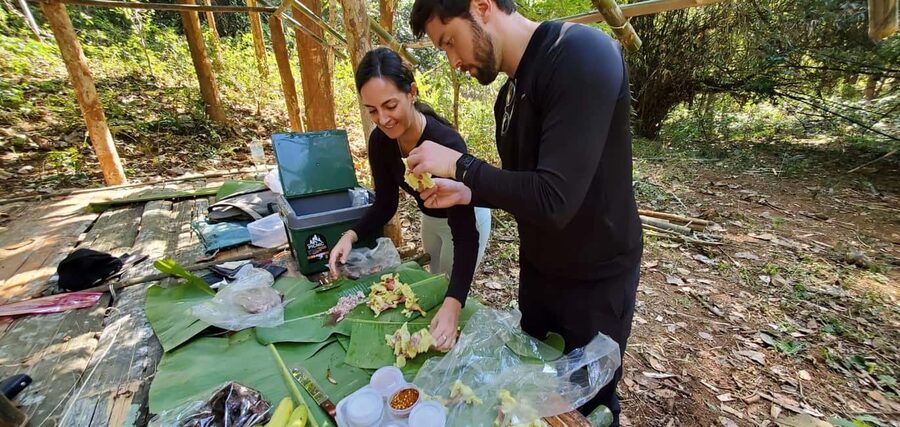
This is one of the most praised aspects for a reason. You do not leave with generic souvenirs from a night market. You take home bamboo chopsticks and a bamboo cup that you handcrafted yourself during the day.
That matters more than you might think. It is not just a keepsake. It is proof that you followed the steps, built the tools, and understood the logic behind the cooking. In the best situations, you will still be able to explain the story behind what you made, which is the only kind of souvenir that lasts.
It also makes the day feel complete. You start by foraging and selecting. You end by using your own tools. The connection between effort and reward is strong.
Slow the Luang Prabang day right down:
- Luang Prabang: Cruise to Pak Ou Caves & Kuang Si Waterfalls
★ 5.0 · 1,769 reviews - Luang Prabang: Cruise to Pak Ou Caves & Kuang Si Waterfalls
★ 4.8 · 1,360 reviews - Half Day Mekong Cruise to Pak Ou Caves (Morning / Afternoon)
★ 4.6 · 290 reviews - Luang Prabang: UNESCO World Heritage City Highlights Tour
★ 4.6 · 201 reviews
Lunch in the forest: what the meal experience feels like
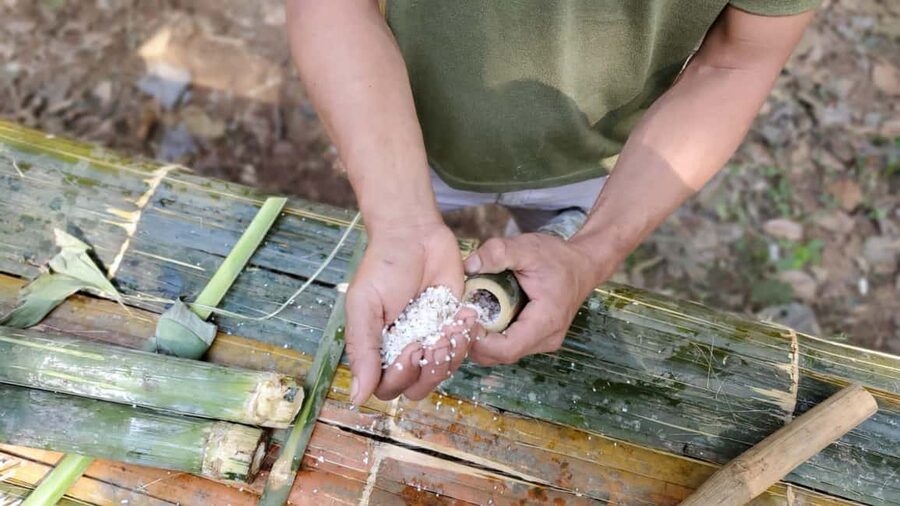
Lunch is eaten in the forest, surrounded by nature, in a convivial setting. The meal is not described as a showy buffet. It is presented as a shared moment, connected to the skills you learned before you sat down.
All basic ingredients are provided, including rice, meat, fish, fruits, and drinking water. That is a big convenience factor. It means you do not need to guess what you will eat later, and you can focus on the cooking steps instead of managing logistics.
If you have dietary preferences or restrictions, you should tell the operator ahead of time so the experience can be tailored. They specifically note that dietary needs can be accommodated, which is important for anyone who travels with food limits.
Your guide and group size: why the day feels personal
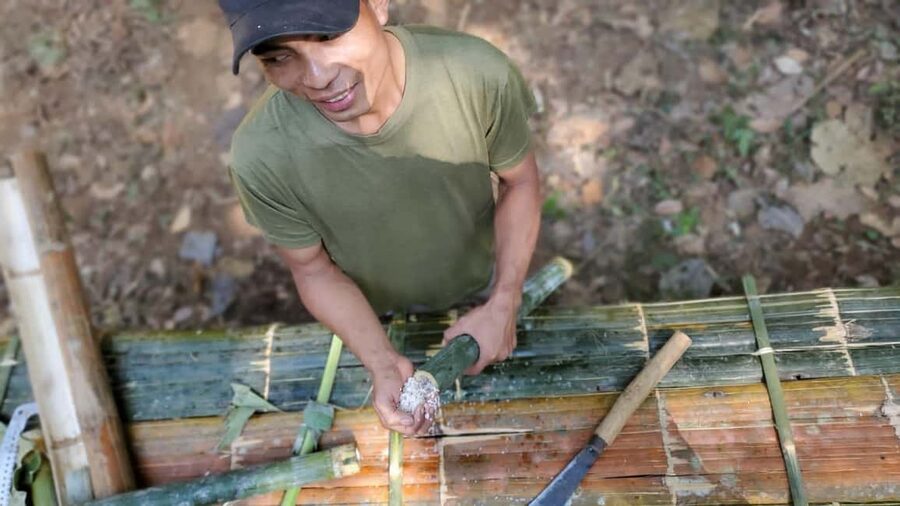
This experience runs with a small group limited to 10 participants. That small number is not just a comfort detail. It affects how much time your guide can spend with you, and how smoothly you can move through farm and forest activities.
In particular, Peng was mentioned as an excellent guide, with an authentic, hands-on approach that made the day feel real, not staged. Another strong point is that the guide is Khmu and has agriculture training, which shows in how the lessons are explained. When someone can explain not just what to do but why it works, you learn faster and you ask better questions.
Also, language support is a practical win. The guide speaks English, French, and Lao. That helps a lot if your Lao is limited, and it keeps the plant and bamboo explanations clear instead of watered down.
Price and value: is $100 worth it?
At $100 per person for a 6-hour day, this is not the cheapest thing you can do around Luang Prabang. But it is also not a simple half-hour cooking demo. You are paying for a full, guided cultural day that includes several distinct parts.
Here’s where the value comes from:
- You get transportation to and from your hotel, so you are not spending your morning figuring out logistics.
- Ingredients are included, including rice, meat, fish, fruits, and drinking water.
- You make items you take home, bamboo cup and chopsticks, which adds tangible value beyond the meal.
- The guide is local and specialized, with Khmu cultural context and agriculture expertise mentioned in feedback.
- It is structured around a real sequence: farm foraging, forest plant identification, bamboo making, cooking, and then lunch.
If your idea of value is a quick meal lesson with minimal effort, you might feel the price is high. If your idea of value is learning real skills outdoors, making tools, and eating something you helped create, then $100 can feel fair.
How to prepare for a forest day (without overthinking it)
This is where you can make or break the experience for yourself. It is recommended that you bring long trousers or pants, suitable footwear for walking in the forest, mosquito spray, and a cap or hat. Add any essential personal items like medication.
A few practical notes you will thank yourself for later:
- Wear footwear with grip. The forest setting means uneven ground.
- Mosquito spray matters even if you are only out for part of the day.
- Long pants reduce irritation when you are moving through plants and bamboo areas.
- If you sweat easily, bring light layers you can move in comfortably.
Also, plan your day around it. This is 9 AM to 3 PM, and it is hands-on. You will likely want a relaxed evening afterward.
Craft village stop: a small optional add-on
On the way home, there is an optional stop at a craft village. It is not required, but it can be a nice way to round out the day with a more general look at making and local materials.
If you are tired after the forest, you can likely choose to skip it. Since it is described as optional, treat it like a bonus rather than a main feature.
Who this is best for (and who should choose something else)
You will probably love this if you want a day that feels more like local life than a checklist tour. It fits well if you care about food culture, outdoor hands-on work, and learning how people identify and use plants.
It also suits people who enjoy interactive lessons. You can tailor your level of participation, which helps if you want to be fully involved or if you prefer to be involved at a gentler pace.
You might want to skip it if you want a purely indoor cooking experience, or if you are not comfortable with forest walking and tools work. The activities are physical, and you should be ready for that reality.
Should you book the Luang Prabang bamboo forest cooking day?
I think you should book this if you want more than a meal. This is a full, guided cultural day that teaches how Khmu people forage, prepare, and cook using bamboo and forest knowledge. The small group size, included ingredients, hotel transfers, and the take-home bamboo cup and chopsticks make it feel like a complete experience, not just a paid lunch with a souvenir.
Book it with confidence if you have the basics covered: long pants, good shoes, mosquito spray, and a willingness to get your hands involved. If you want to stay strictly hands-off or you are avoiding any outdoor walking, you might prefer a different cooking class style.
If you are excited by the idea of building utensils from bamboo and eating lunch where you learned the method, this is exactly the kind of day that makes Luang Prabang feel real.
FAQ
How long is the Luang Prabang bamboo forest cooking experience?
It runs about 6 hours, scheduled from 9 AM to 3 PM.
How big is the group?
The group is small, limited to 10 participants.
What does the price include?
The tour includes transfers to and from your hotel, all meal ingredients, English/French/Lao speaking guide, tax and entrance fees, and the items you take home (bamboo cup and chopsticks). There is also an optional craft village stop on the way home.
Do I need to pay for food and drinks during the tour?
Additional food and drink are not included, but the tour does provide basic ingredients such as drinking water, rice, meat or fish, and fruits.
Can the meal be adjusted for dietary restrictions?
Yes. You should let them know your dietary preferences or restrictions so they can tailor the experience.
What should I bring for the forest part?
Bring long trousers or pants, suitable footwear for walking in the forest, mosquito spray, and a cap or hat. Also bring any personal essentials like medication.
The newest Luang Prabang reviews
- A Relaxing Day at the Kuang Si Falls★ 4.5 · 3 reviews
- Sunset Cruise in Luang Prabang with Live Performance★ 4.5 · 3 reviews
- Private Luang Prabang City Tour★ 5.0 · 3 reviews
- Luang Prabang Night-time Explorer★ 3.5 · 3 reviews
- The Namkhan – Traditional Lao Bamboo Weaving★ 5.0 · 4 reviews
- Luang Prabang Cooking, Pottery & Candle Experience★ 5.0 · 4 reviews
- Private Tour: Half-Day City Tour of Luang Prabang★ 4.5 · 4 reviews
- Dine and Cruise on Mekong River★ 4.0 · 4 reviews
Cooking Classes, compared.
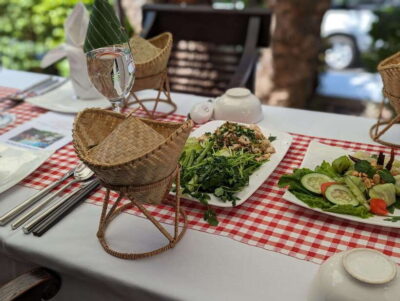
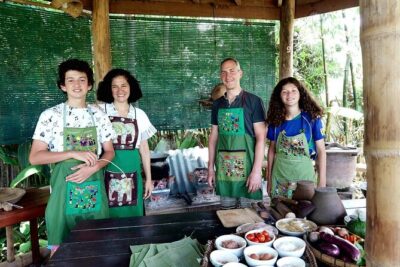
Day-time Bamboo weaving & Cooking Classes join-in
Read our review →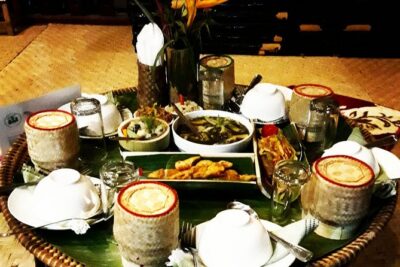
Evening Bamboo weaving & Cooking classes join-in
Read our review →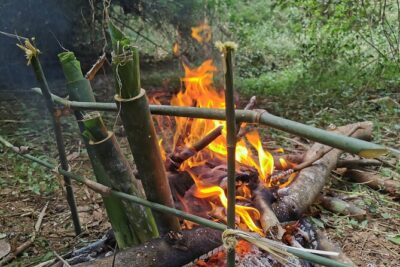
Tribal Cooking Class in Luang Prabang Forest and visit
Read our review →
Traditional Market Tour and Private Laotian Cooking Class with a Local
Read our review →
Browse the lists this tour appears in